
تعلم الكتابة بالإنجليزية: من الجملة الصحيحة إلى فقرة واضحة
الفقرة الجيدة لا تبدأ بكلمات معقدة؛ تبدأ بجملة رئيسة واضحة، ثم تفاصيل تخدمها، وروابط منطقية، ومراجعة تفصل المعنى عن القواعد.
الماضي البسيط لا يحتاج حفظ جدول ضخم قبل الاستعمال؛ ابدأ بأكثر الأفعال تكرارًا، وتعلم مع كل فعل جملة ونفيًا وسؤالًا.

عندما تتعلم الحاضر تستطيع وصف حياتك، لكنك تظل محاصرًا في «كل يوم» و«عادة». الماضي البسيط يفتح القصص: أين ذهبت؟ ماذا حدث؟ من اتصل؟ لماذا تأخرت؟ وكيف انتهى الأمر؟
القاعدة نفسها مباشرة، لكن المتعلم يتعثر في ثلاثة أماكن: الفرق بين was/were وبقية الأفعال، الأفعال الشاذة، وإرجاع الفعل إلى أصله بعد did. سنبنيها خطوة خطوة ثم نستعملها في قصة وتمارين.
I called Sara yesterday.We visited Oran last summer.He arrived at eight.I woke up, took a shower, ate breakfast, and left the house.She lived in Tunis for two years.I worked there in 2022.They were close friends at school.We played outside every evening.My grandfather walked to work.يمكن لاحقًا تعلم used to لتأكيد عادة أو حالة لم تعد صحيحة، لكن الماضي البسيط يكفي في كثير من السياقات.
yesterdaylast night/week/month/yeartwo days agoin 2019when I was a childthis morning إذا انتهت الفترة في تصور المتحدثكلمة الوقت تساعد، لكن السياق قد يوضح الماضي من دونها.
| الفاعل | الشكل | |---|---| | I / he / she / it | was | | you / we / they | were |
I was tired.She was at home.We were late.The shops were closed.was not → wasn'twere not → weren'tHe wasn't ready.
They weren't at the meeting.Was she busy?
Were you at school?
Where were they?
Why was the door open?لا نستعمل did مع was/were:
Did she was tired? ❌ Was she tired? ✅
نضيف غالبًا -ed:
work → workedvisit → visitedclean → cleanedlive → lived arrive → arrived
study → studied try → tried
لكن:
play → played
stop → stopped plan → planned
تعلم الشكل مع الفعل الذي تستعمله؛ لا تحتاج حفظ كل التفصيل قبل الكتابة.
الكتابة واحدة، لكن النطق يختلف.
بعد أصوات مهموسة مثل p, k, f, s, sh, ch غالبًا:
helpedworkedlaughedwashedwatchedلا نضيف مقطعًا كاملًا عادة.
بعد الأصوات المجهورة والحركات غالبًا:
playedcleanedlivedcalledبعد صوت t أو d:
wantedneededstarteddecidedهنا نسمع مقطعًا إضافيًا.
تدرب بالسماع، لأن الحرف الأخير المكتوب لا يخبرك دائمًا بالصوت النهائي وحده.
لا تأخذ -ed، ويتغير شكلها أو يبقى كما هو. إليك 30 فعلًا عالي الفائدة:
| الأصل | الماضي | المعنى | مثال | |---|---|---|---| | be | was/were | يكون | We were tired. | | go | went | يذهب | I went home. | | come | came | يأتي | She came early. | | have | had | يملك/يتناول | We had lunch. | | do | did | يفعل | He did the work. | | make | made | يصنع/يُنجز | I made a mistake. | | get | got | يحصل/يصل | They got a message. | | take | took | يأخذ | She took a taxi. | | give | gave | يعطي | He gave me a book. | | see | saw | يرى | I saw Ahmed. | | say | said | يقول | She said hello. | | tell | told | يخبر | He told me the truth. | | know | knew | يعرف | I knew the answer. | | think | thought | يفكر/يعتقد | We thought it was closed. | | find | found | يجد | She found her key. | | feel | felt | يشعر | I felt better. | | leave | left | يغادر/يترك | They left at six. | | meet | met | يقابل | We met at university. | | buy | bought | يشتري | He bought a phone. | | bring | brought | يجلب | She brought some food. | | eat | ate | يأكل | I ate breakfast. | | drink | drank | يشرب | They drank water. | | read | read | يقرأ | I read the email. | | write | wrote | يكتب | She wrote a report. | | speak | spoke | يتكلم | We spoke in English. | | hear | heard | يسمع | I heard a noise. | | sleep | slept | ينام | He slept well. | | begin | began | يبدأ | The lesson began at nine. | | become | became | يصبح | It became difficult. | | lose | lost | يفقد/يخسر | I lost my card. |
ملاحظة: ماضي read يُكتب read لكنه يُنطق قريبًا من red.
لا تحفظ عمودين منفصلين فقط. استعمل مجموعات وجمل:
go–went, come–came, leave–left, get–got.
say–said, tell–told, speak–spoke, write–wrote, read–read.
eat–ate, drink–drank, sleep–slept, buy–bought, take–took.
ثم اصنع قصة:
Yesterday I went to the market, bought some fruit, came home, and made dinner.
راجع من المعنى إلى الماضي، لا من الجدول إلى الترجمة فقط.
مع جميع الأفعال العادية والشاذة:
did not + base verb
I did not call.She did not go.We didn't see him.He didn't work yesterday.بعد didn't نستخدم الأصل:
She didn't went. ❌ She didn't go. ✅
الماضي موجود في did، فلا نضعه مرتين.
Did you call me?
Did she go to work?
What did they buy?
Where did he sleep?
Why did the meeting end early?
ومرة أخرى: الفعل الأساسي بعد did.
Did you saw it? ❌ Did you see it? ✅
Did you finish? — Yes, I did. / No, I didn't.Was he there? — Yes, he was. / No, he wasn't.Were they ready? — Yes, they were. / No, they weren't.لا تقل Yes, I finished بوصفها خطأ دائمًا؛ قد تكون إجابة كاملة، لكن الإجابة القصيرة القياسية تستعمل did.
She was tired.They were at home.He was a student.She worked.They went home.He studied.في السؤال:
Was she tired?Did she work?لا تجمعهما بلا سبب:
She was went home. ❌ She went home. ✅
Last Saturday, Karim woke up late because he did not hear his alarm. He got dressed quickly and left the house without breakfast. At the bus stop, he realized that he had no money, so he walked back home. When he opened the door, he found his wallet on the kitchen table. He took a taxi and arrived at work twenty minutes late. His manager was not angry, but Karim decided to prepare everything the night before.لاحظ:
woke, got, left, realized, walked, opened, found, took, arrived, decided.was: His manager was not angry.because, so, but.استعمل:
firstthenafter thatwhenbecausesosuddenlyfinally/in the endلكن لا تبدأ كل جملة بـthen. نوّع بالوقت والسبب.
used to + base verb يصف عادة أو حالة ماضية لم تعد صحيحة غالبًا:
I used to live near the sea.She used to drink coffee every morning.النفي والسؤال الشائعان:
I didn't use to like tea.Did you use to play football?للمبتدئ، يمكن البدء بالماضي البسيط ثم إضافة used to عندما تحتاج إبراز التغير.
I goed ❌ → I went ✅Did she called? ❌ → Did she call? ✅He didn't came. ❌ → He didn't come. ✅They was late. ❌ → They were late. ✅We didn't were ready. ❌ → We weren't ready. ✅Yesterday I go... ❌ → Yesterday I went... ✅-ed كمقطع /ɪd/.said وtold: نقول said something وtold someone something غالبًا.Mona called the doctor. → نفي.They were at home. → سؤال.He took the bus. → سؤال بـWhat.I met Ali at the café. → سؤال بـWhere.The shop closed at six. → سؤال بـWhat time.visitedwentdid not finish / didn't finishDid ... seewerestudiedmadedid ... buybegandid not know / didn't knowDid he go home?She didn't write the email.We were at the station.I stopped the car.They weren't happy.Where did you stay?He bought a new laptop.Were you busy yesterday?I was not ready.The lesson started late.Mona did not call the doctor.Were they at home?What did he take?Where did you meet Ali?What time did the shop close?احكِ يومًا حدث فيه شيء غير متوقع في ثماني جمل. استعمل:
was/were.ثم اقرأ القصة بصوت عالٍ وراجع نطق -ed.
لا. ابدأ بـ20 أو 30 فعلًا تظهر في حياتك، واستعملها في قصص وأسئلة. أضف غيرها من قراءتك.
لأن did يحمل علامة الماضي، وبعده يأتي الفعل في صورته الأساسية.
مع be: لوصف حالة أو مكان أو هوية في الماضي. مع فعل حدث، استعمل ماضي الفعل: worked, went.
تأتي بعدها: two days ago, five years ago.
استمع إلى مجموعات /t/ و/d/ و/ɪd/ وكرر جملًا، لا تحاول نطق الحروف الثلاثة دائمًا كما تُكتب.
الماضي البسيط يبني القصة من أفعال منتهية. تعلم was/were منفصلًا، واستعمل did + base verb في النفي والسؤال، واحفظ الأفعال الشاذة عالية التكرار داخل جمل. ثم احكِ أحداثك؛ فالجدول لا يثبت الفعل مثل قصة عشتها أو صنعتها.
في مُبين يمكن أن تعود الأفعال في جمل ونصوص وقصص ومراجعات، فتتعلم شكل الماضي ومعناه وصوته بدل حفظ عمود طويل سرعان ما يُنسى.
تقييمك يدخل مباشرة في مراجعة المقالات وتحسينها.
جرّب درسًا قصيرًا يجمع الصوت وترتيب الجملة، ثم قرر إن كانت الطريقة تناسبك.

الفقرة الجيدة لا تبدأ بكلمات معقدة؛ تبدأ بجملة رئيسة واضحة، ثم تفاصيل تخدمها، وروابط منطقية، ومراجعة تفصل المعنى عن القواعد.

السؤال الأول ليس: هل الكلمة تبدأ بحرف حركة؟ بل: هل الاسم مفرد معدود، وهل هو واحد غير محدد أم شيء يعرفه المتحدث والمستمع؟
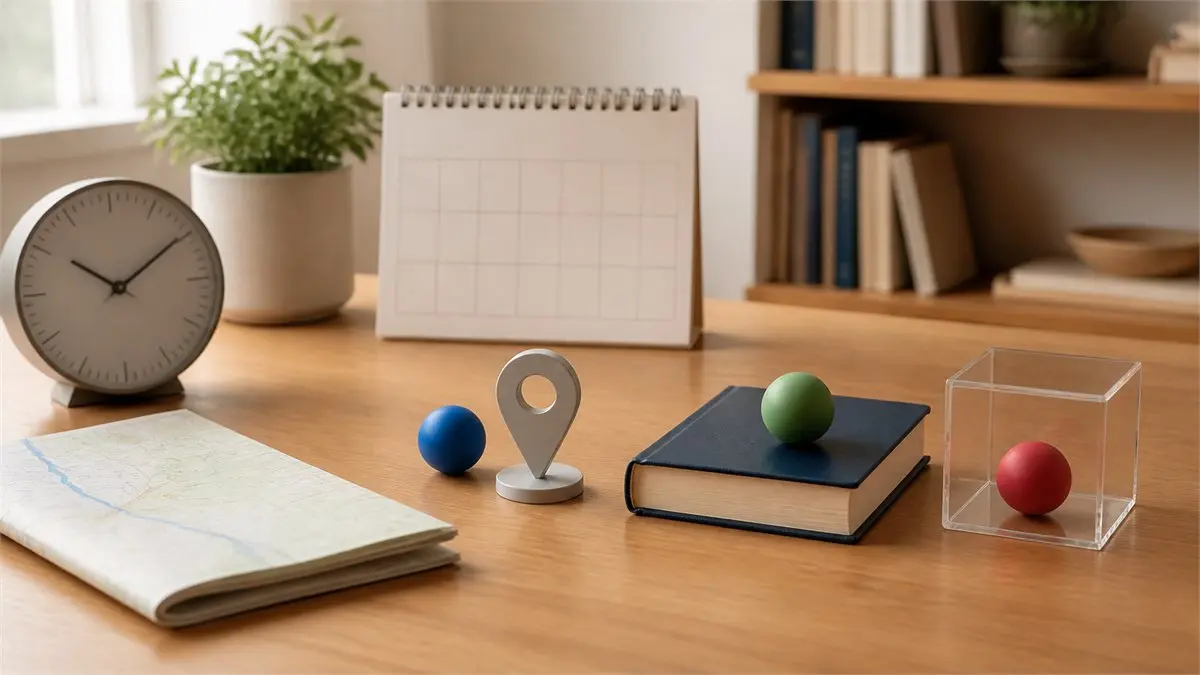
فكر في at كنقطة، وon كسطح أو خط، وin كداخل مساحة أو فترة؛ ثم تعلم التعبيرات التي اختارها الاستعمال كما هي.